Spoon-billed Sandpiper
NameSpoon-billed Sandpiper
Common NameSpoon-billed Sandpiper
Scientific NameCalidris pygmaea
FamilyScolopacidae
Wingspan (cm)29.5
Length (cm)15
Weight (g)33
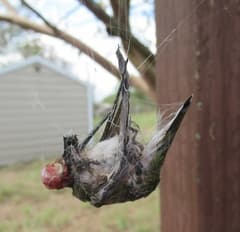
Plumage DetailsIn breeding plumage, as shown, the head, neck, and breast are a rich rufous-chestnut, heavily streaked with dark brown. The back and wings are mottled dark brown and rufous with pale feather edgings, while the belly is white. Non-breeding birds are duller, grayish-brown above with white underparts.
Vocalization / CallVocalizations include a soft, low 'preep' or 'wheet' call, often given during flight or when disturbed. They are generally quiet birds outside of the breeding season.
Primary Dietinsectivore
Primary Habitatscoastal tundra, tidal flats, estuaries, mudflats, lagoons, saltmarshes
Conservation Statuscritically-endangered
Geographic RangeBreeds in the Russian Far East, specifically in Chukotka and the Kamchatka Peninsula. It undertakes a long migration along the East Asian-Australasian Flyway, wintering in coastal areas of Southeast Asia, including Bangladesh, Myanmar, Thailand, Vietnam, and southern China.
Identifying FeaturesSpatulate (spoon-shaped) bill, Small size, Rufous head and breast in breeding plumage, Distinctive side-to-side bill sweeping foraging method
Description
This small, distinctive shorebird is easily recognized by its unique spatulate (spoon-shaped) bill. It typically forages by sweeping its bill side-to-side through shallow water or mud, searching for small invertebrates. The bird in the image displays its rufous breeding plumage.