Satyr Tragopan
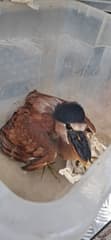
Image: <a href="//commons.wikimedia.org/wiki/User:Rklawton" title="User:Rklawton">Robert Lawton</a> (CC BY 2.5)
NameSatyr Tragopan
Common NameSatyr Tragopan
Scientific NameTragopan satyra
FamilyPhasianidae
Wingspan (cm)65
Length (cm)65
Weight (g)1500
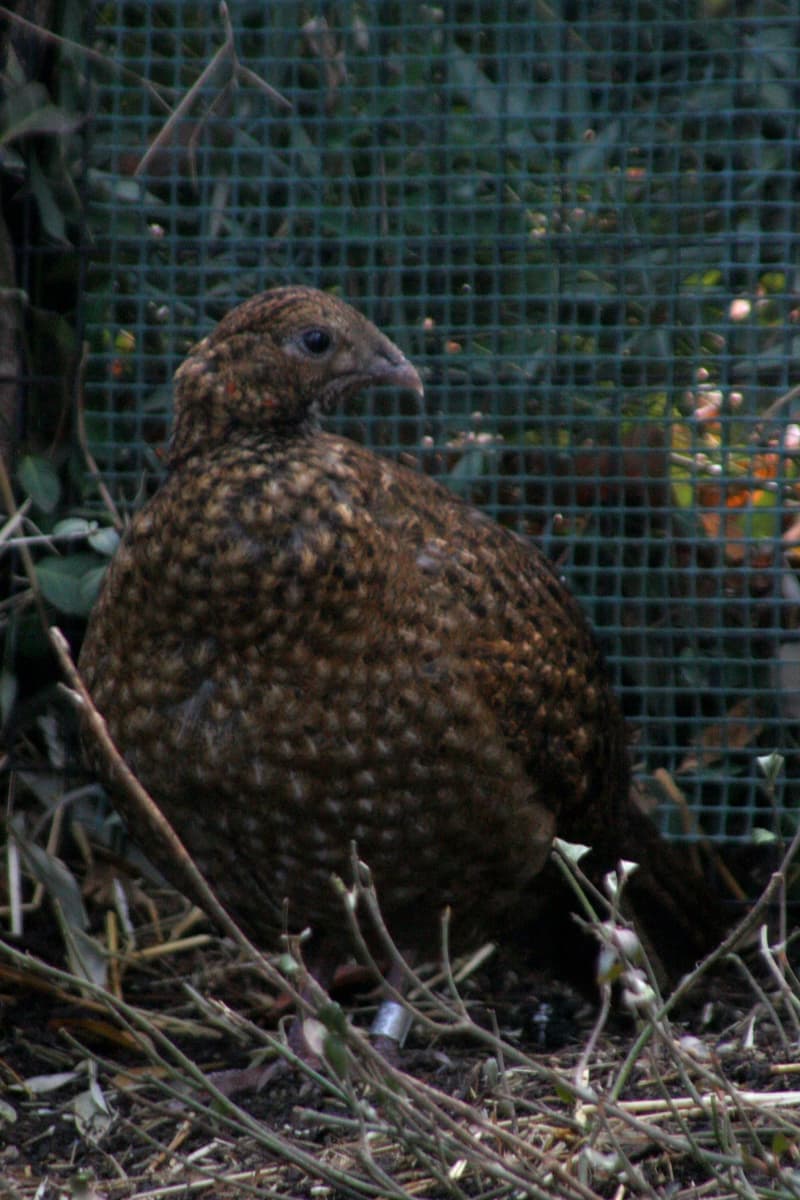
Plumage DetailsThe female Satyr Tragopan, as seen in the image, has a predominantly dull brown plumage heavily mottled with black and white spots, providing excellent camouflage in its forest habitat. Males are much more colorful, featuring a bright crimson body with white spots, a blue face, and inflatable blue horns and gular wattle.
Vocalization / CallTheir vocalizations include deep, mournful 'waa-waah' or 'oo-AH-oo-AH' calls, often repeated, as well as a series of soft clucking sounds.
Primary Dietomnivore
Primary Habitatssubtropical forest, temperate forest, montane forest, bamboo thickets, rhododendron thickets
Conservation Statusnear-threatened
Geographic RangeThe Satyr Tragopan is found in the eastern Himalayas, ranging from Nepal through Bhutan and northeastern India (Sikkim, Arunachal Pradesh) to southern Tibet.
Identifying FeaturesCryptic mottled brown plumage (female), Vibrant crimson body with white spots, blue facial skin, and inflatable blue horns/wattle (male), Stocky body and short tail typical of pheasants, Ground-dwelling behavior in dense forest undergrowth
Description
The Satyr Tragopan is a medium-sized, shy pheasant native to the Himalayas, known for its ground-dwelling habits. Females, like the one pictured, exhibit cryptic mottled brown plumage for camouflage, while males are strikingly colored with vibrant red and blue. They typically forage in dense undergrowth for a variety of plant matter and insects.