Emu
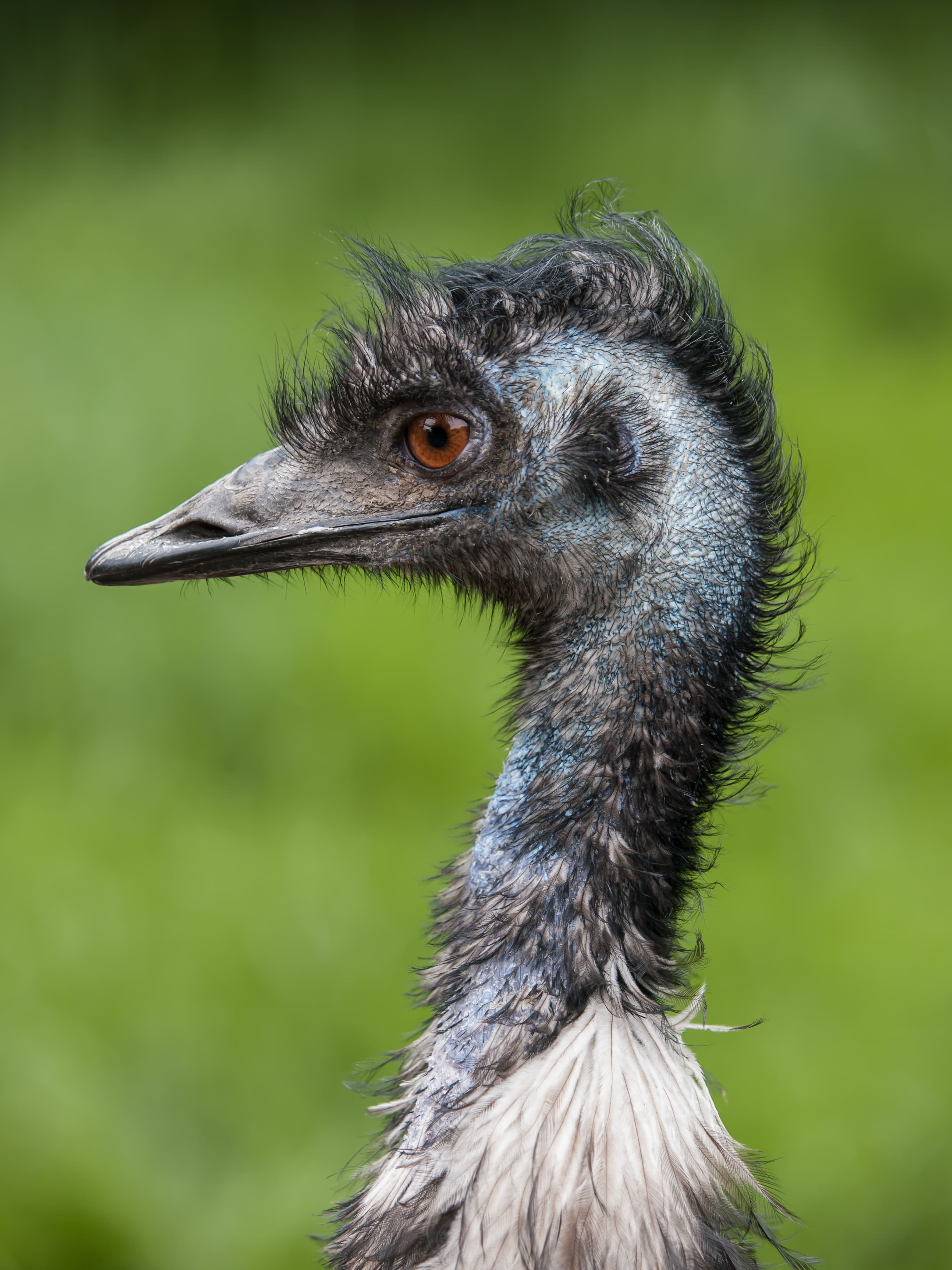
Image: <div class="fn value"> <a rel="nofollow" class="external text" href="https://www.flickr.com/people/26782864@N00">William Warby</a></div> (CC BY 2.0)
NameEmu
Common NameEmu
Scientific NameDromaius novaehollandiae
FamilyDromaiidae
Wingspan (cm)30
Length (cm)170
Weight (g)35000
Plumage DetailsThe plumage is shaggy and coarse, typically varying shades of brown and grey, providing camouflage. The head and upper neck are sparsely feathered, revealing bare, bluish-black skin, especially prominent on the sides of the head and neck. The feathers on the head are dark and bristly.
Vocalization / CallEmus produce a variety of calls, including deep booming sounds, grunting, and hissing. The booming sound, often made by females, can be heard over long distances and is produced by an inflatable throat pouch.
Primary Dietomnivore
Primary Habitatsgrassland, woodland, savanna, shrubland
Conservation Statusleast-concern
Geographic RangeEndemic to Australia, found across most of the mainland, avoiding densely populated areas, dense forests, and arid regions.
Identifying FeaturesLarge size (second tallest bird), Flightless, Long neck and legs, Shaggy, coarse brown/grey plumage, Bare, bluish skin on head and neck, Vestigial wings
Description
The Emu is the second-largest living bird by height, a flightless ratite native to Australia. It is characterized by its long neck and legs, shaggy brown plumage, and a distinctive bare, bluish skin patch on its head and neck. Emus are highly nomadic, moving across their range to find food and water.