Eurasian Wryneck
NameEurasian Wryneck
Common NameEurasian Wryneck
Scientific NameJynx torquilla
FamilyPicidae
Wingspan (cm)26
Length (cm)17
Weight (g)40
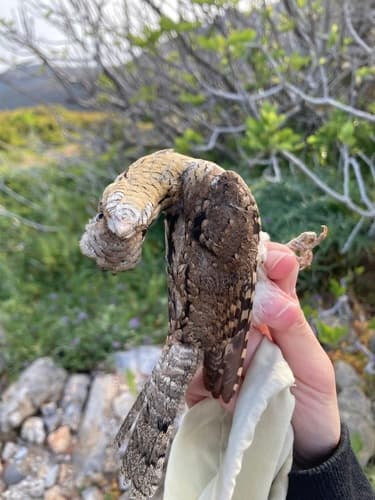
Plumage DetailsCryptic mottled brown, grey, and buff plumage with intricate patterns, including a dark stripe running from the eye to the shoulder and a dark central stripe down the back. The underparts are paler with fine barring, providing superb camouflage.
Vocalization / CallA distinctive, repeated, high-pitched, somewhat mournful 'que-que-que-que' or 'kwee-kwee-kwee' call, often likened to a kestrel's call.
Primary Dietinsectivore
Primary Habitatsopen woodland, orchards, parks, gardens, clearings
Conservation Statusleast-concern
Geographic RangeBreeds across most of Europe and Asia, migrating to tropical Africa and South Asia for the winter months.
Identifying FeaturesCryptic, bark-like plumage, Ability to twist head and neck (wryneck movement), Long, slender tongue for ant-eating, Distinctive 'que-que-que' call, Upright posture when perched, Absence of stiff tail feathers for support
Description
The Eurasian Wryneck is a small, cryptic woodpecker known for its unique ability to twist its head and neck almost 180 degrees, resembling a snake when threatened. Its mottled plumage provides excellent camouflage against tree bark, allowing it to blend seamlessly into its environment.