Arctic Tern
NameArctic Tern
Common NameArctic Tern
Scientific NameSterna paradisaea
FamilyLaridae
Wingspan (cm)80.5
Length (cm)36
Weight (g)106.5
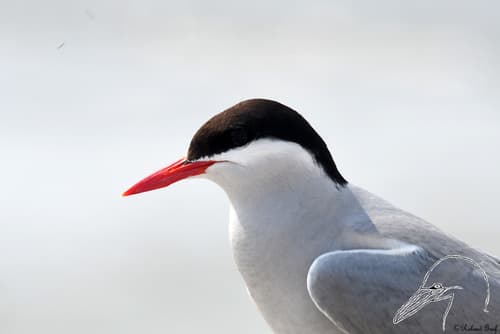
Plumage DetailsAdults in breeding plumage feature a solid black cap extending to the nape, a white face, and a bright red bill that typically lacks a black tip. Their upperparts are pale grey, contrasting with white underparts and a deeply forked white tail with grey outer webs.
Vocalization / CallVocalizations include a harsh, grating 'kree-arr' or 'keer-rah' call, often used as an alarm or territorial display. They also produce a sharper, rapid 'kik-kik-kik' sound.
Primary Dietpiscivore
Primary Habitatscoastal areas, tundra, open ocean, arctic regions, antarctic regions
Conservation Statusleast-concern
Geographic RangeBreeds in Arctic and sub-Arctic regions across North America, Europe, and Asia. It undertakes an epic annual migration to the Antarctic pack ice for the non-breeding season, covering distances up to 70,000-80,000 km.
Identifying Featuresblack cap, bright red bill (often without black tip in breeding adults), pale grey upperparts, white underparts, deeply forked tail, long-distance migration
Description
The Arctic Tern is a medium-sized seabird renowned for undertaking the longest migratory journey of any bird species. It exhibits elegant flight and distinctive plumage, often seen gracefully diving for fish in polar waters.