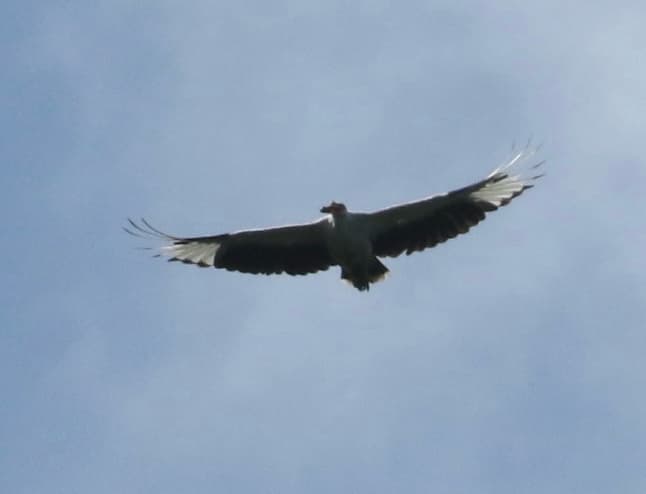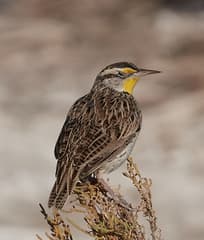
Arctic Tern
Image: Archer Lamason (cc-by-nc)
NameArctic Tern
Common NameArctic Tern
Scientific NameSterna paradisaea
FamilyLaridae
Wingspan (cm)80
Length (cm)36
Weight (g)100
Plumage DetailsAdult Arctic Terns have a distinctive black cap, white underparts, and pale grey upperparts. Their primary flight feathers are dark-tipped, and they possess a bright red bill and red legs during the breeding season. The tail is deeply forked.
Vocalization / CallTheir vocalizations include a harsh, grating 'kree-arr' call often given in flight or when disturbed, and a sharper 'kip' or 'kik' alarm call. They also produce a series of rapid 'kirri-kirri' notes during courtship.
Primary Dietpiscivore
Primary Habitatscoastal, open ocean, tundra, arctic
Conservation Statusleast-concern
Geographic RangeArctic Terns have a circumpolar breeding range in Arctic and sub-Arctic regions of North America, Europe, and Asia. They undertake an epic annual migration to the Antarctic Ocean for the non-breeding season, covering approximately 70,000-80,000 km (43,000-50,000 miles) each year.
Identifying Featuresblack cap, red bill, forked tail, grey upperparts, white underparts, long pointed wings, long-distance migration
Description
The Arctic Tern is a medium-sized seabird renowned for undertaking the longest migratory journey of any bird species. It exhibits graceful flight over open water, characterized by its sleek body and pointed wings. These birds are highly social, often nesting in large colonies in coastal areas.