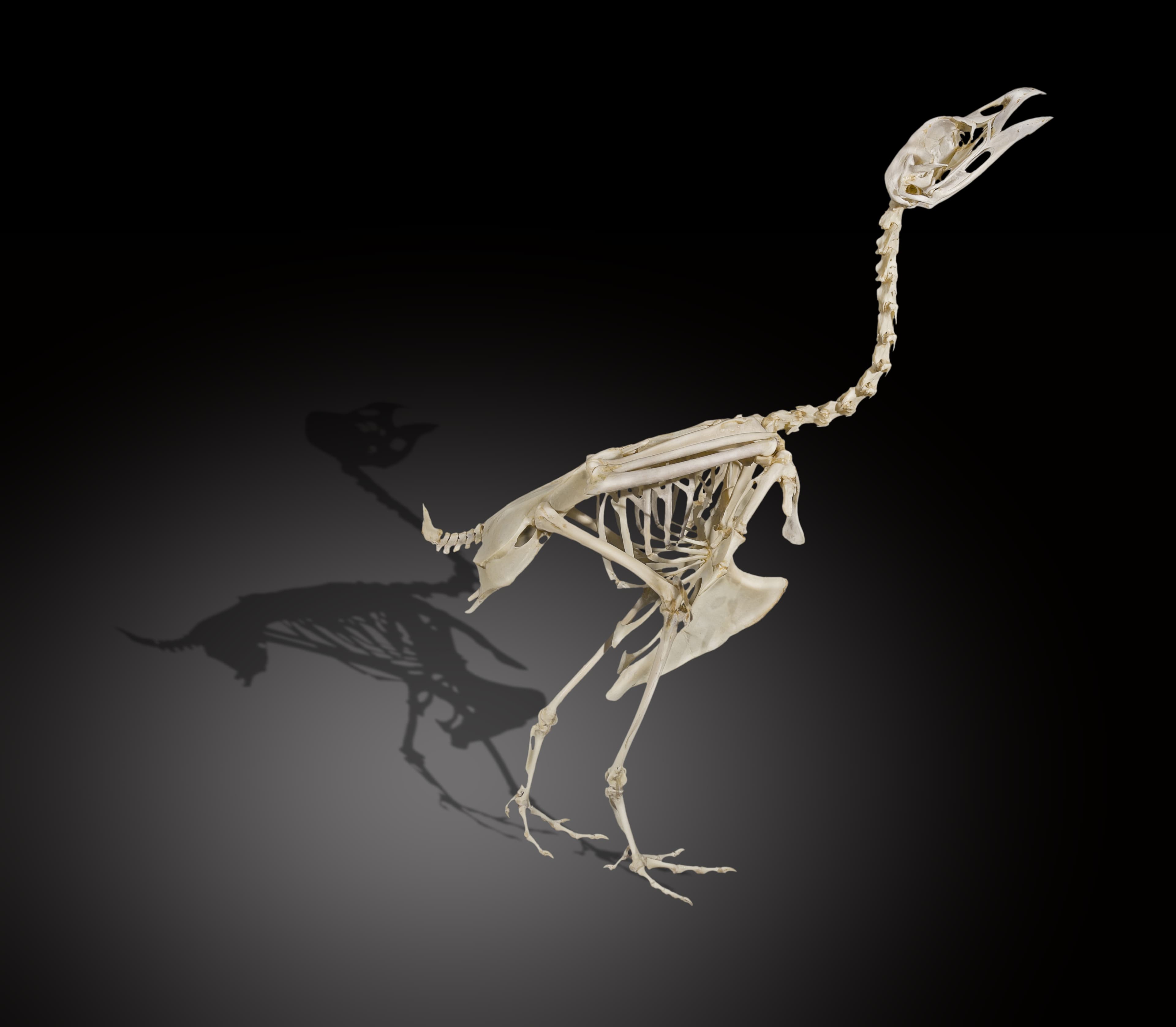
Western Capercaillie
Image: <a href="//commons.wikimedia.org/wiki/User:Archaeodontosaurus" title="User:Archaeodontosaurus">Didier Descouens</a> (CC BY-SA 3.0)
NameWestern Capercaillie
Common NameWestern Capercaillie
Scientific NameTetrao urogallus
FamilyPhasianidae
Wingspan (cm)95
Length (cm)70
Weight (g)4200
Plumage DetailsMales have striking iridescent blue-black plumage, a dark green breast, a prominent red wattle above the eye, and a long, fan-shaped tail. Females are smaller and cryptically mottled brown and black with a rufous breast patch for camouflage.
Vocalization / CallMales produce a distinctive courtship call, a series of clicks, pops, and gurgles that culminates in a 'cork-popping' sound. Females typically make clucking and alarm calls.
Primary Dietomnivore
Primary Habitatsconiferous forest, mixed forest, mountain forest
Conservation Statusleast-concern
Geographic RangeFound across the Palearctic region, from Western Europe (including France) to Siberia, inhabiting dense coniferous and mixed forests.
Identifying Featureslarge size, pronounced sexual dimorphism, male iridescent dark plumage, male fan-shaped tail, red wattle above male eye, distinctive courtship display
Description
The Western Capercaillie is the largest member of the grouse family, exhibiting significant sexual dimorphism. Males are considerably larger and darker, known for their elaborate courtship displays in dense coniferous forests.