Western Black-eared Wheatear
NameWestern Black-eared Wheatear
Common NameWestern Black-eared Wheatear
Scientific NameOenanthe hispanica
FamilyMuscicapidae
Wingspan (cm)27.5
Length (cm)14.5
Weight (g)18.5
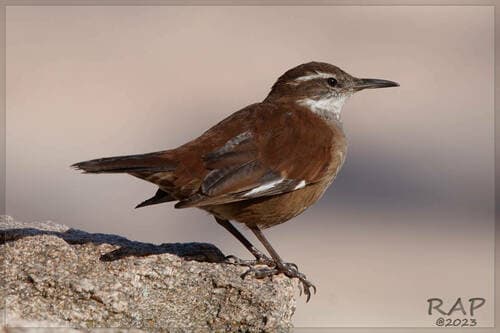
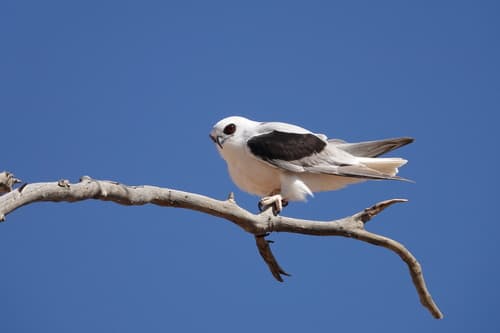
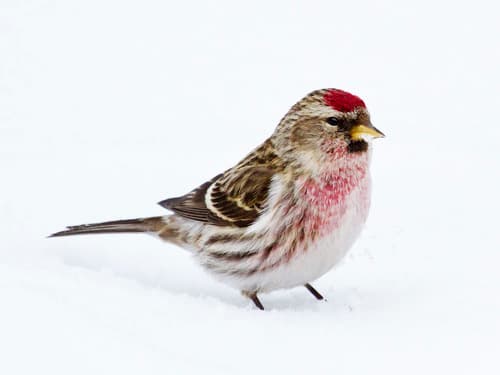
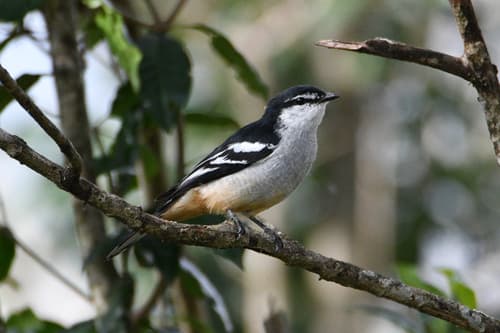
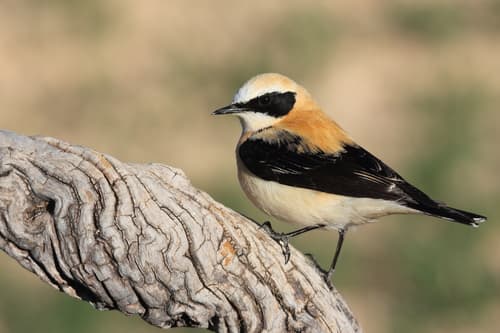
Plumage DetailsMales typically have a white crown and nape, a prominent black mask extending from the bill through the eye, black wings, and a warm buffy-orange wash on the breast and flanks, contrasting with a white belly. The tail is white with a distinctive black inverted 'T' pattern. Females are generally duller with less distinct markings.
Vocalization / CallIts vocalizations include a short, harsh 'chak' or 'tack' call, often given when alarmed. The song is a varied, warbling melody, sometimes incorporating mimicry.
Primary Dietinsectivore
Primary Habitatsdesert, grassland
Conservation Statusleast-concern
Geographic RangeBreeds across southern Europe, North Africa, and the Middle East, migrating south to sub-Saharan Africa for the winter months.
Identifying Featuresblack mask, buffy-orange breast, black wings, white tail with black 'T' pattern, upright posture
Description
A small, migratory passerine, the Western Black-eared Wheatear is known for its striking plumage, particularly in males. It typically inhabits dry, open, stony areas, often perching prominently to scan for insect prey.