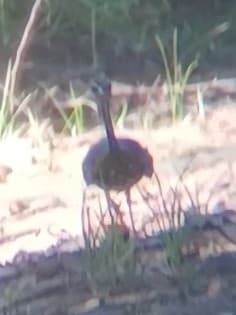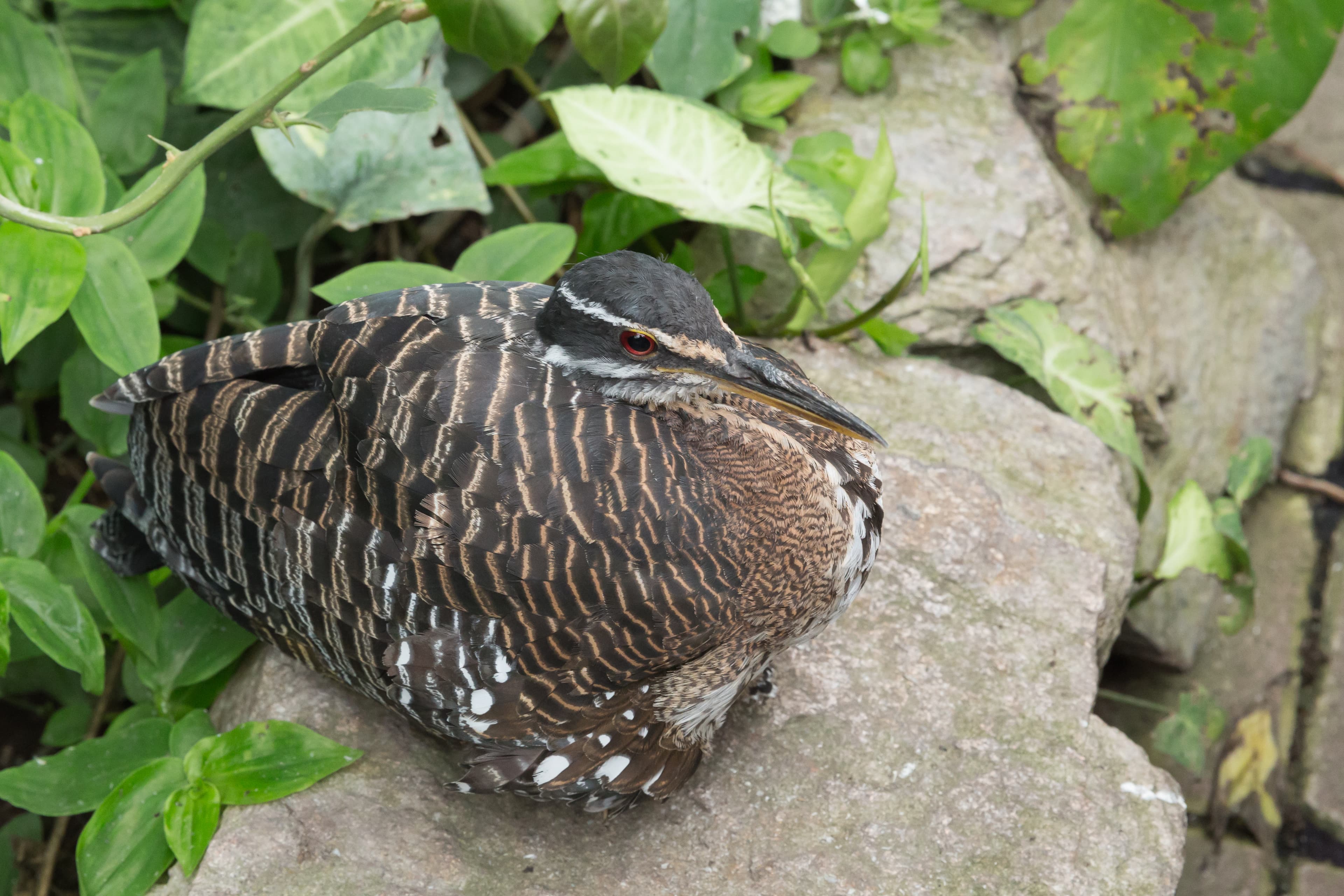
Sunbittern
Image: <div style="clear:both; border: 1px solid #999; margin: 1em; padding: 1em; background-color: #eeefff;"> <table cellspacing="0" cellpadding="5" style="background:transparent;"> <tbody><tr> <td valign="top" width="180px"> </td></tr> <tr> <td align="center"><small>Another one of my pictures:<br></small><span typeof="mw:File"><a href="//commons.wikimedia.org/wiki/File:Le_Chapelier_Fou_-_Alice_au_pays_des_merveilles_-_20150804_16h45_(10933).jpg" class="mw-file-description"><img src="https://upload.wikimedia.org/wikipedia/commons/thumb/4/47/Le_Chapelier_Fou_-_Alice_au_pays_des_merveilles_-_20150804_16h45_%2810933%29.jpg/120px-Le_Chapelier_Fou_-_Alice_au_pays_des_merveilles_-_20150804_16h45_%2810933%29.jpg" decoding="async" width="100" height="150" class="mw-file-element" srcset="https://upload.wikimedia.org/wikipedia/commons/thumb/4/47/Le_Chapelier_Fou_-_Alice_au_pays_des_merveilles_-_20150804_16h45_%2810933%29.jpg/250px-Le_Chapelier_Fou_-_Alice_au_pays_des_merveilles_-_20150804_16h45_%2810933%29.jpg 1.5x" data-file-width="2547" data-file-height="3820"></a></span> <p><br> </p> </td> <td>This photograph was taken by <b><a href="//commons.wikimedia.org/wiki/User:Medium69" title="User:Medium69">Medium69</a></b> (William Crochot) and released under the license stated below. You are free to use it for any purpose as long as you credit the author (William Crochot), the Source (Wikimedia Commons) and the license (CC-BY-SA 4.0) in close relation to the image. </td></tr></tbody></table> <div style="clear:both; border:2px solid #00cc00; background-color:#f7f7f7; margin-top:6px;"> <table><tbody><tr><td style="padding:4px;"><span typeof="mw:File"><a href="//commons.wikimedia.org/wiki/File:Upload-problem2.svg" class="mw-file-description"><img src="https://upload.wikimedia.org/wikipedia/commons/thumb/f/f9/Upload-problem2.svg/120px-Upload-problem2.svg.png" decoding="async" width="64" height="57" class="mw-file-element" srcset="https://upload.wikimedia.org/wikipedia/commons/thumb/f/f9/Upload-problem2.svg/250px-Upload-problem2.svg.png 2x" data-file-width="159" data-file-height="142"></a></span> </td><td style="padding:4px;"> <div> <p>Please do not upload an updated image here without consultation with the Author. The author would like to make corrections only at his own source RAW. This ensures that the changes are preserved.<br>Please if you think that any changes should be required, please inform the author.<br>Otherwise you can upload a new image with a new name. Please use one of the templates <a href="//commons.wikimedia.org/wiki/Template:Derived_from" title="Template:Derived from">derivative</a> or <a href="//commons.wikimedia.org/wiki/Template:Extracted_from" title="Template:Extracted from">extract</a>. </p> </div> </td></tr></tbody></table></div> </div> <p><br> </p> (CC BY-SA 4.0)
Description
The Sunbittern is a medium-sized, highly cryptic bird known for its intricate plumage and striking 'sunburst' wing pattern, displayed during courtship or threat. It typically forages silently along forest streams, hunting for aquatic prey.