Pale-billed Sicklebill
NamePale-billed Sicklebill
Common NamePale-billed Sicklebill
Scientific NameDrepanornis bruijnii
FamilyParadisaeidae
Wingspan (cm)52
Length (cm)35
Weight (g)180
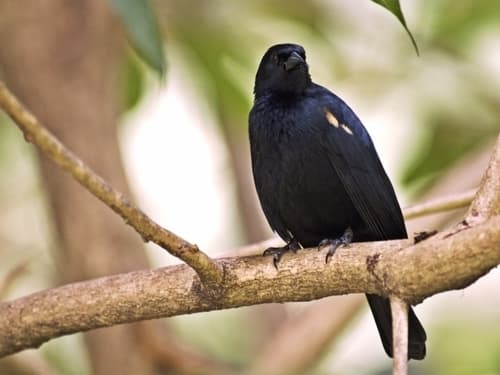
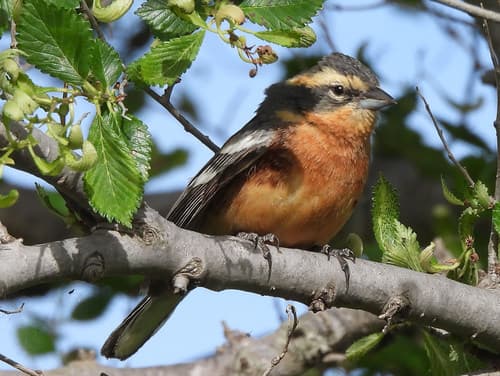
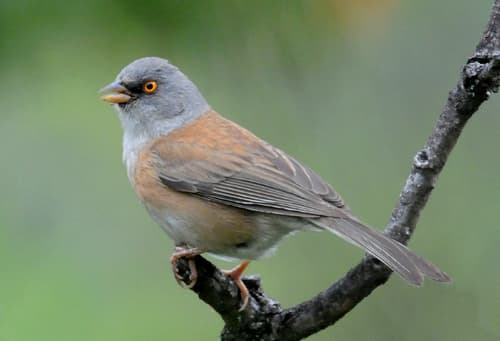
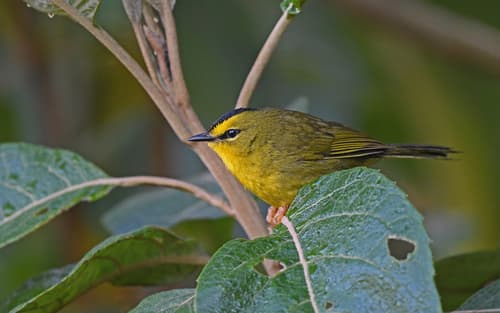
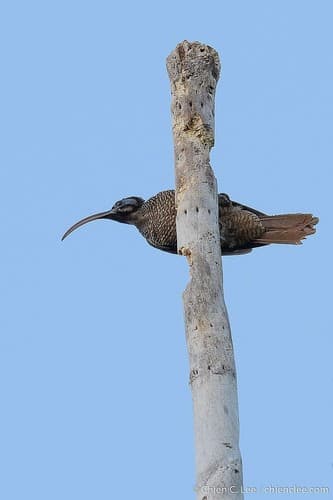
Plumage DetailsMales have dark brown upperparts and head, with iridescent green-blue scaling on the crown and nape. The underparts are heavily barred with dark brown and buffy-white, creating a scalloped appearance. The tail is a distinctive rufous-brown, and the most prominent feature is the long, pale, strongly decurved bill. Females are similar but duller, lacking the iridescent head scaling.
Vocalization / CallVocalizations include a series of loud, clear whistles, often ascending or descending in pitch, and sometimes harsh cackling or churring notes.
Primary Dietomnivore
Primary Habitatsforest
Conservation Statusleast-concern
Geographic RangeEndemic to northern New Guinea, found in the lowlands and hills from the Vogelkop Peninsula east to the Sepik-Ramu basin.
Identifying FeaturesLong, pale, strongly decurved bill, Heavily barred dark brown and buffy-white underparts, Dark brown upperparts, Rufous-brown tail, Iridescent green-blue scaling on crown and nape (males)
Description
The Pale-billed Sicklebill is a medium-sized bird-of-paradise known for its remarkably long, pale, and strongly decurved bill. Its plumage is generally dark brown with intricate barring on the underparts, allowing it to blend into its forest habitat. This species primarily forages for insects and fruits in the canopy and mid-story of lowland rainforests.