Marsh Sandpiper
NameMarsh Sandpiper
Common NameMarsh Sandpiper
Scientific NameTringa stagnatilis
FamilyScolopacidae
Wingspan (cm)62
Length (cm)24
Weight (g)80
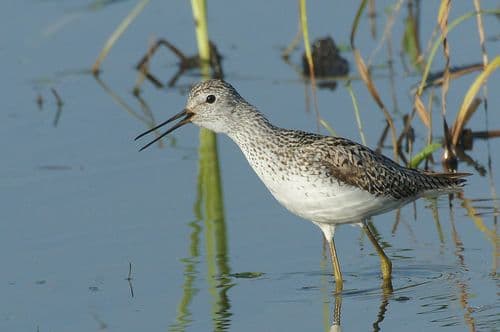
Plumage DetailsIn non-breeding plumage, as seen, the bird has pale greyish-brown upperparts with faint streaking, contrasting with clean white underparts. It features a prominent white supercilium, a dark, needle-like bill, and long, slender yellowish-green legs. Breeding plumage shows more distinct dark spotting and streaking on the upperparts.
Vocalization / CallIts vocalizations include a high-pitched, clear 'chip' or 'tew' call, often repeated. It may also give a rapid, trilling alarm call when disturbed.
Primary Dietinsectivore
Primary Habitatswetland, grassland
Conservation Statusleast-concern
Geographic RangeBreeds across a wide band from eastern Europe through central Asia to eastern Siberia. It winters in Africa, southern Asia, and Australia, migrating long distances.
Identifying FeaturesExtremely long, slender yellowish-green legs, Very fine, needle-like dark bill, Slender body shape, Prominent white supercilium
Description
The Marsh Sandpiper is an elegant, slender wader characterized by its extremely long, yellowish-green legs and very fine, needle-like bill. It typically forages in shallow water, often wading deeply to catch small invertebrates.