Ivory Gull
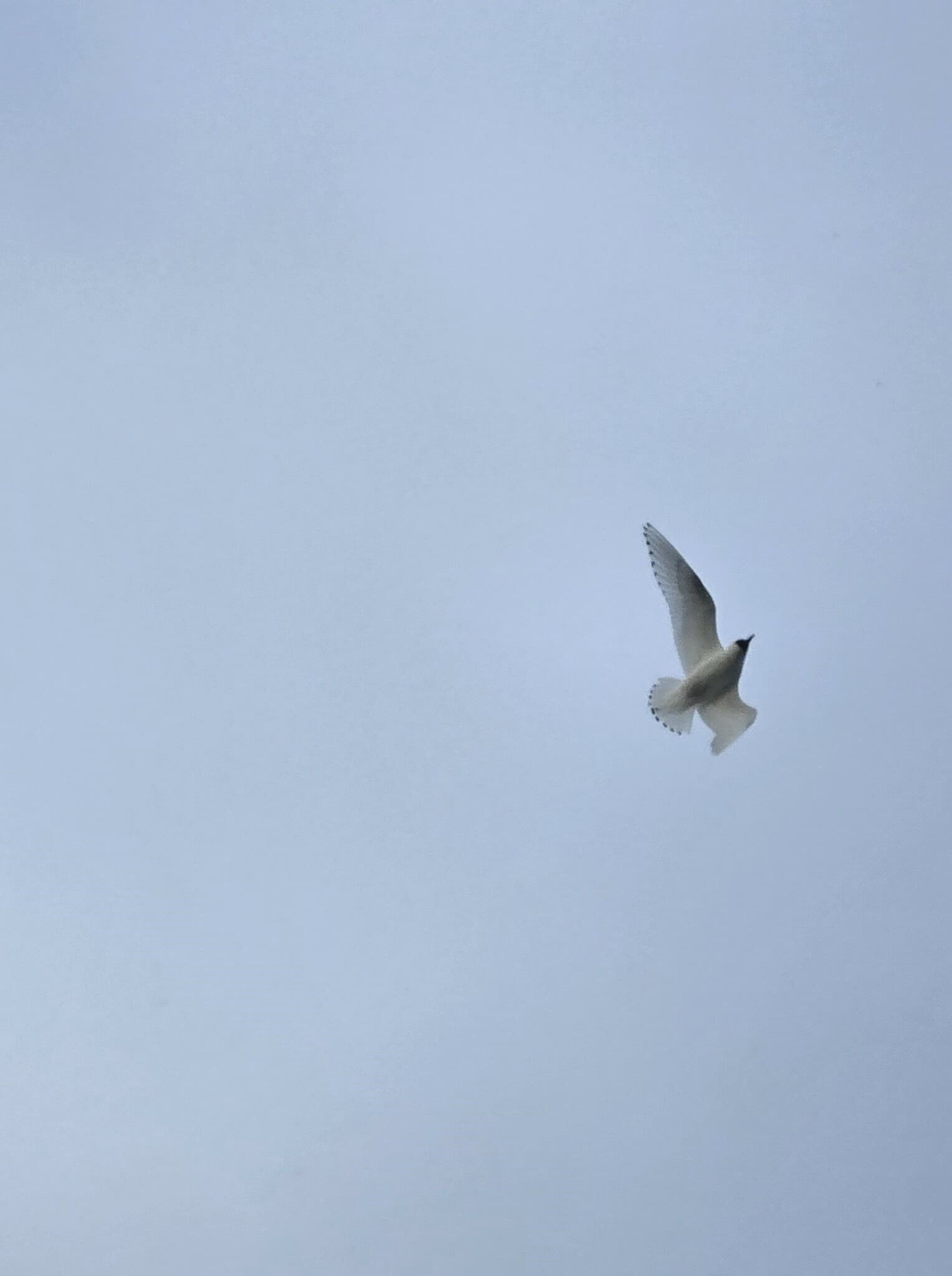
Image: Jean-François Rousseau (cc-by-nc)
NameIvory Gull
Common NameIvory Gull
Scientific NamePagophila eburnea
FamilyLaridae
Wingspan (cm)114
Length (cm)42.5
Weight (g)575
Plumage DetailsAdults are entirely pure white with dark eyes and a blackish bill that often has a yellowish tip. Juveniles have black spots on the face, neck, and wingtips, and a dark terminal tail band, gradually molting to pure white.
Vocalization / CallVocalizations include harsh, high-pitched calls, often described as 'kree-kree' or 'kyow', and a variety of other guttural and squealing notes.
Primary Dietomnivore
Primary Habitatssea ice, tundra, coastal areas, ice floes, Arctic islands
Conservation Statusnear-threatened
Geographic RangeA circumpolar Arctic species, breeding on high Arctic islands and coasts of Canada, Greenland, Norway, and Russia. It winters in the pack ice, often moving south to the edge of the ice pack.
Identifying Featurespure white plumage (adults), dark eyes, blackish bill with yellowish tip (adults), relatively small head and short legs, distinctive harsh calls, often associated with sea ice
Description
The Ivory Gull is a striking medium-sized gull of the high Arctic, known for its entirely pure white plumage in adulthood. It is an opportunistic scavenger, often found near polar bear and seal kills on the ice.