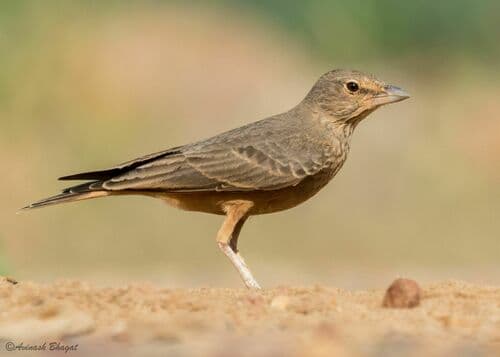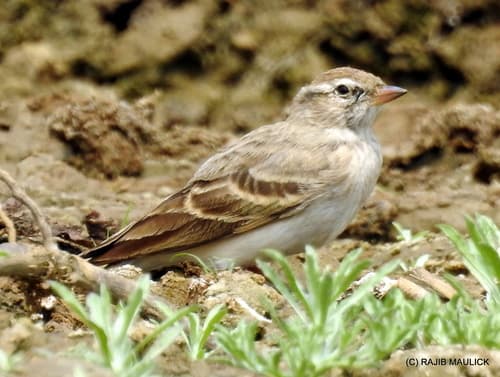
Hume's Lark
NameHume's Lark
Common NameHume's Lark
Scientific NameCalandrella acutirostris
FamilyAlaudidae
Wingspan (cm)26.5
Length (cm)14.5
Weight (g)21.5
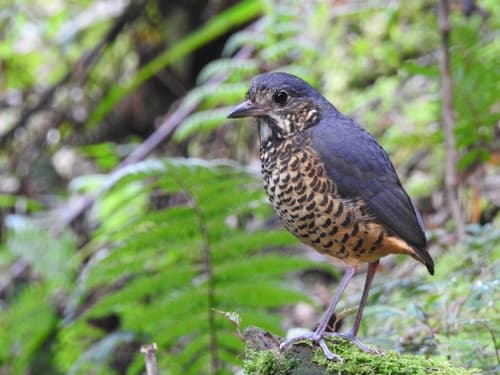
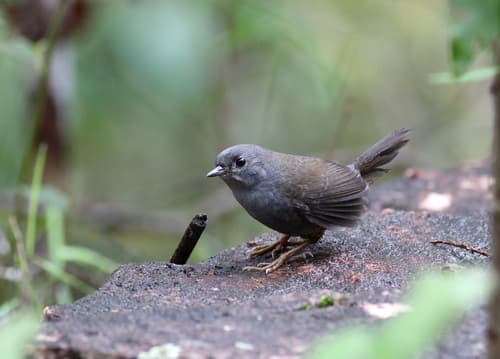
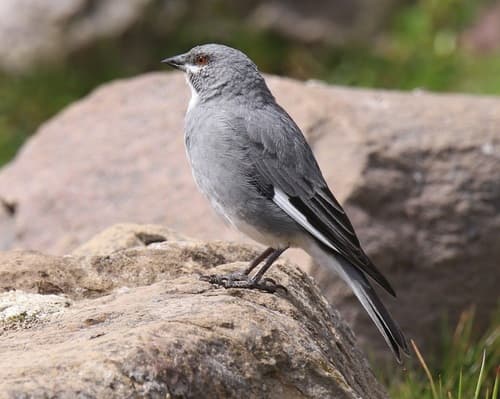
Plumage DetailsUpperparts are sandy-brown to grey-brown with dark streaking, providing excellent camouflage. Underparts are whitish, sometimes with faint streaking on the breast, and it features a distinct pale supercilium and a dark eye-stripe.
Vocalization / CallIts call is typically a soft, high-pitched 'tseep' or 'tsip'. The song, often delivered in flight, is a varied and musical series of notes.
Primary Dietomnivore
Primary Habitatsmountain, grassland
Conservation Statusleast-concern
Geographic RangeBreeds in the mountains of Central Asia, including the Himalayas, Tibetan Plateau, and parts of China. It winters at lower altitudes in regions of India, Pakistan, and Nepal.
Identifying FeaturesSmall size and pale, streaky plumage, Short, conical, pale bill, Prominent pale supercilium (eyebrow stripe), Often a small, dark patch on the side of the breast (though variable), Prefers high-altitude, barren or stony habitats
Description
Hume's Lark is a small, pale lark typically found in high-altitude, barren environments. It forages on the ground for seeds and insects, often moving in small flocks outside the breeding season.