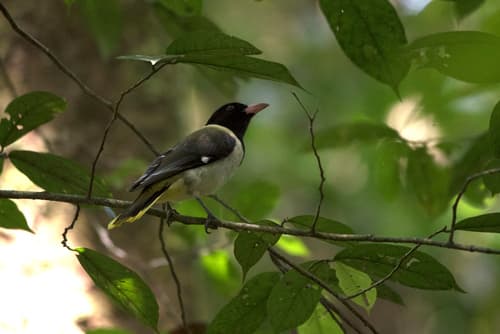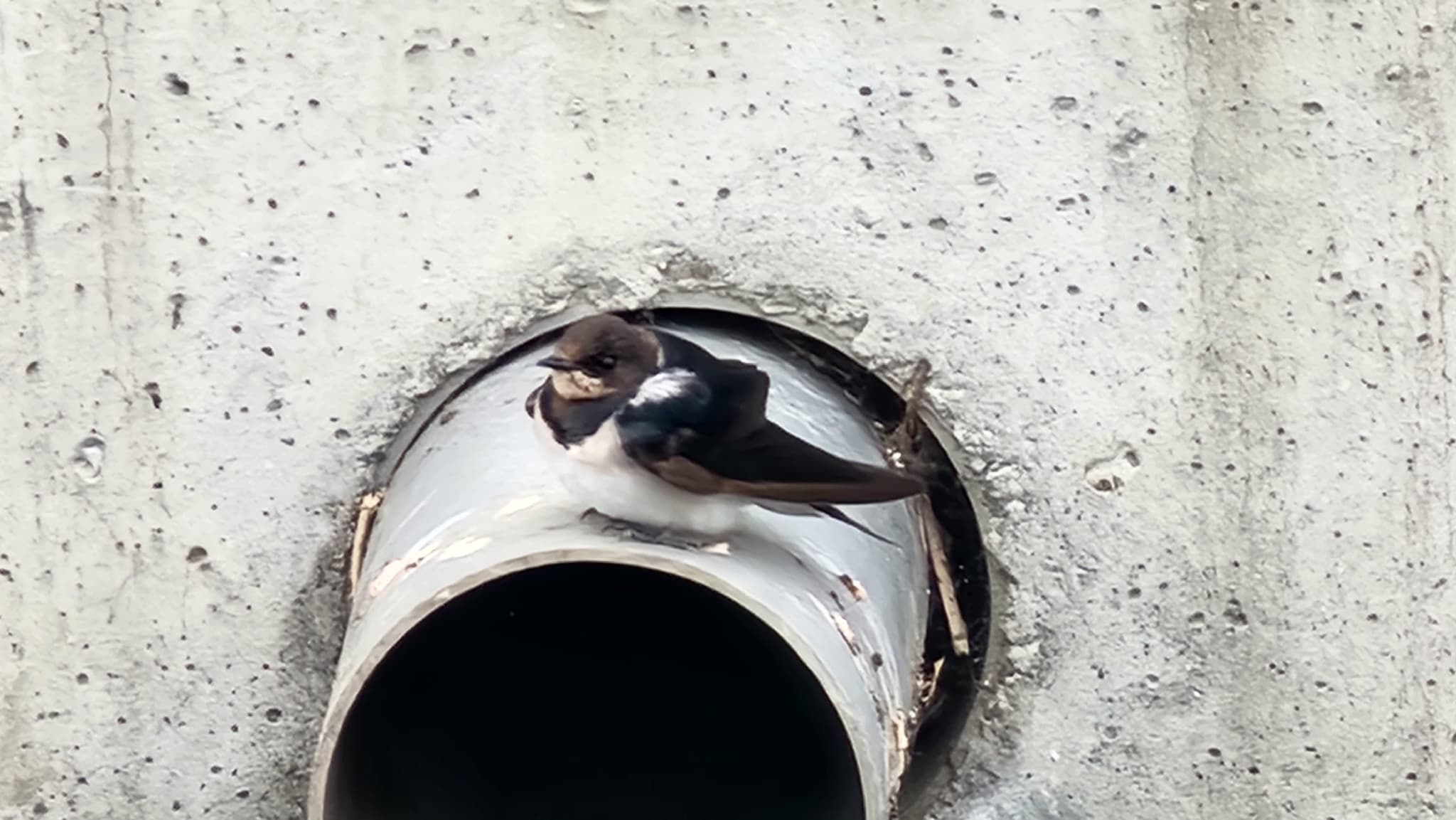
Barn Swallow
Image: ra89020901 (cc-by-nc)
NameBarn Swallow
Common NameBarn Swallow
Scientific NameHirundo rustica
FamilyHirundinidae
Wingspan (cm)33
Length (cm)18
Weight (g)19
Plumage DetailsAdult Barn Swallows have iridescent blue-black upperparts, a rufous (rusty-orange) forehead and throat, and a creamy white to buff belly. The long, deeply forked tail is a prominent feature, with white spots on the outer tail feathers visible in flight.
Vocalization / CallBarn Swallows have a cheerful, twittering song, often described as a series of warbles, trills, and chirps. They also emit various alarm calls, including a sharp 'wit-wit' or 'sveet' when disturbed.
Primary Dietinsectivore
Primary Habitatsgrassland, urban, wetland
Conservation Statusleast-concern
Geographic RangeThe Barn Swallow has a vast global range, breeding across most of the Northern Hemisphere, including North America, Europe, Asia, and northern Africa. It migrates to winter in Central and South America, sub-Saharan Africa, and southern Asia.
Identifying Featuresdeeply forked tail, iridescent blue-black back, rufous face and throat, creamy white underparts, agile, acrobatic flight
Description
The Barn Swallow is a graceful, agile aerial insectivore known for its distinctive deeply forked tail. It is often found near human habitation, where it builds its cup-shaped mud nests on structures like barns, bridges, and culverts. These birds are highly migratory, traveling long distances between their breeding and wintering grounds.