Barn Owl
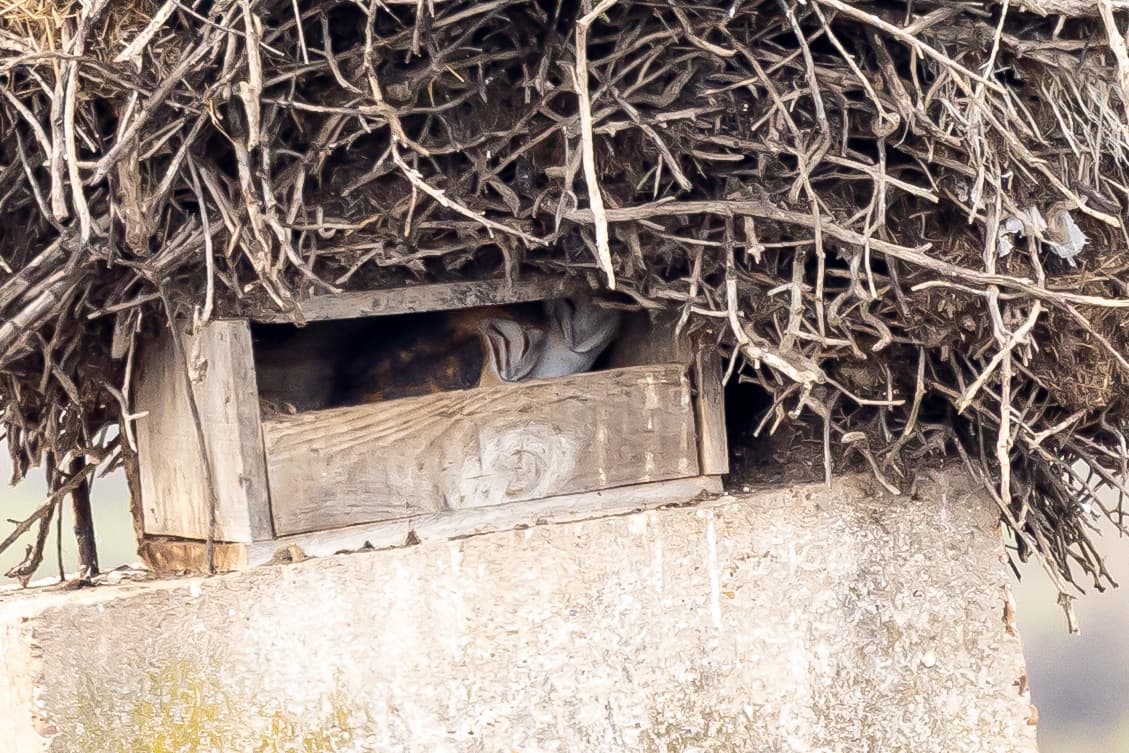
Image: Kim Kuntze (cc-by-nc)
NameBarn Owl
Common NameBarn Owl
Scientific NameTyto alba
FamilyTytonidae
Wingspan (cm)110
Length (cm)36
Weight (g)450
Plumage DetailsUpperparts are a mix of buff and orange-brown, finely speckled with dark grey and white. Underparts are typically white to pale buff, often with scattered dark spots. The most striking feature is the pure white, heart-shaped facial disc that frames its dark eyes.
Vocalization / CallKnown for its eerie, drawn-out screech or hissing sound, rather than the typical hooting of other owls. They also produce various hisses, snores, and clicks, especially when disturbed or communicating with young.
Primary Dietcarnivore
Primary Habitatsopen country, grasslands, farmlands, marshes, woodlands edges, urban areas
Conservation Statusleast-concern
Geographic RangeNearly cosmopolitan, the Barn Owl is found on all continents except Antarctica, making it one of the most widespread land bird species. It is absent from deserts and polar regions, but thrives across temperate and tropical zones.
Identifying Featuresheart-shaped facial disc, pale underparts, golden-brown upperparts, dark eyes, silent flight, screeching call
Description
The Barn Owl is a medium-sized owl recognized by its distinctive heart-shaped facial disc and silent, buoyant flight. It is a nocturnal hunter, primarily preying on small mammals in open habitats. This species often roosts and nests in barns, tree hollows, or other sheltered structures.