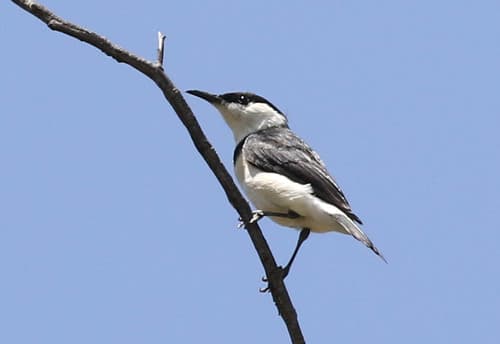
Banded Honeyeater
NameBanded Honeyeater
Common NameBanded Honeyeater
Scientific NameCissomela pectoralis
FamilyMeliphagidae
Wingspan (cm)19
Length (cm)12.5
Weight (g)10
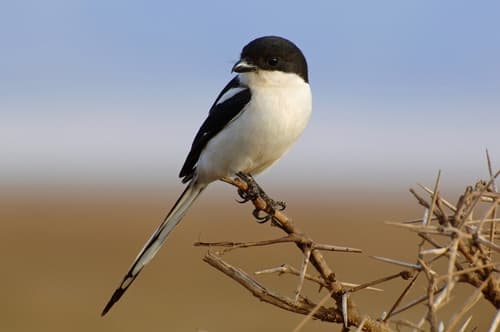
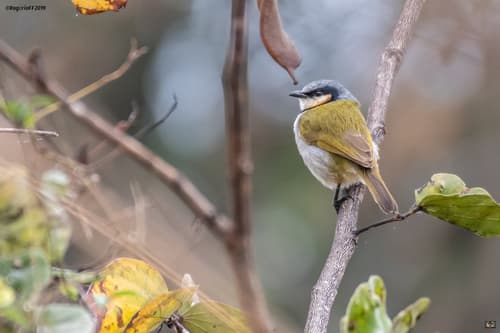
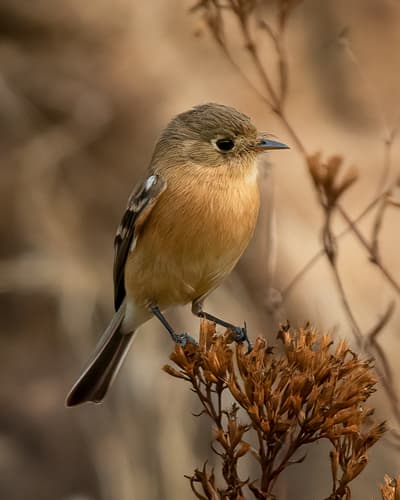
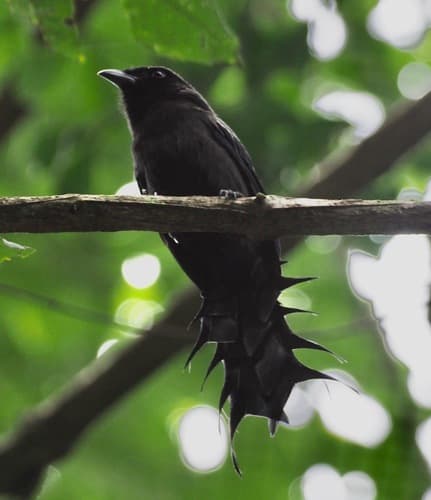
Plumage DetailsAdults have a distinctive broad black band across the breast, contrasting with white underparts. The head is black with a white nape, and the back and wings are greyish-black. The bill is slender and slightly downcurved.
Vocalization / CallIts vocalizations include high-pitched, rapid, chattering or trilling calls, often described as a 'chick-up' or 'chip-chip' sound.
Primary Dietnectarivore
Primary Habitatsforest, grassland, coastal, urban
Conservation Statusleast-concern
Geographic RangeEndemic to northern Australia, found across the Kimberley region of Western Australia, the Top End of the Northern Territory, and the Cape York Peninsula of Queensland.
Identifying FeaturesBlack breast band, Black cap with white nape, Slender, slightly downcurved bill, Small size
Description
The Banded Honeyeater is a small, active bird characterized by its striking black and white plumage. It is often observed foraging for nectar in flowering trees and shrubs, moving quickly through the canopy.