Western Thornbill
NameWestern Thornbill
Common NameWestern Thornbill
Scientific NameAcanthiza inornata
FamilyAcanthizidae
Wingspan (cm)15
Length (cm)9.5
Weight (g)7
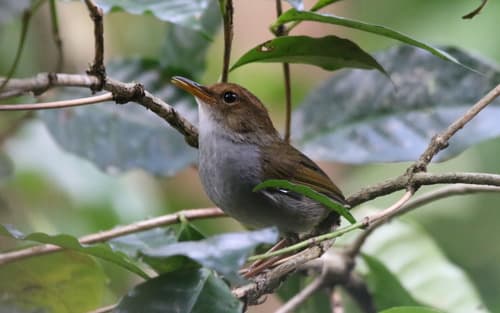
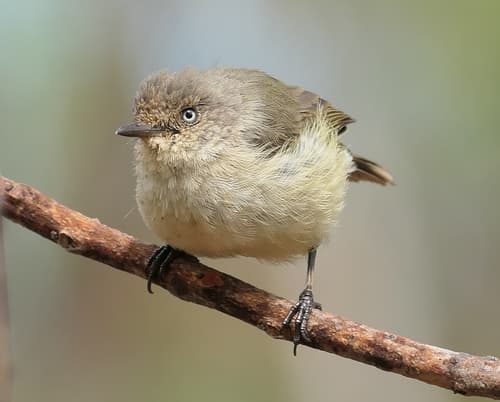
Plumage DetailsUpperparts are plain olive-brown, contrasting slightly with paler, yellowish-buff to whitish underparts. It has a distinctive pale creamy-white eye and lacks any strong facial or rump markings, giving it a rather drab appearance.
Vocalization / CallIts vocalizations include soft, musical trills and a characteristic 'tsee-tsee-tsee' or 'chip-chip-chip' call, often given while foraging.
Primary Dietinsectivore
Primary Habitatsforest
Conservation Statusleast-concern
Geographic RangeEndemic to the south-west of Western Australia, primarily found in the region from Perth southwards and eastwards to the Stirling Range.
Identifying FeaturesSmall size (approx. 9-10 cm), Plain olive-brown upperparts, Pale creamy-white eye, Lack of distinct head or rump markings, Active foraging in foliage
Description
The Western Thornbill is a small, plain, olive-brown passerine endemic to southwestern Australia. It is typically found foraging actively for insects in the understory and canopy of eucalypt forests and woodlands.