Oilbird
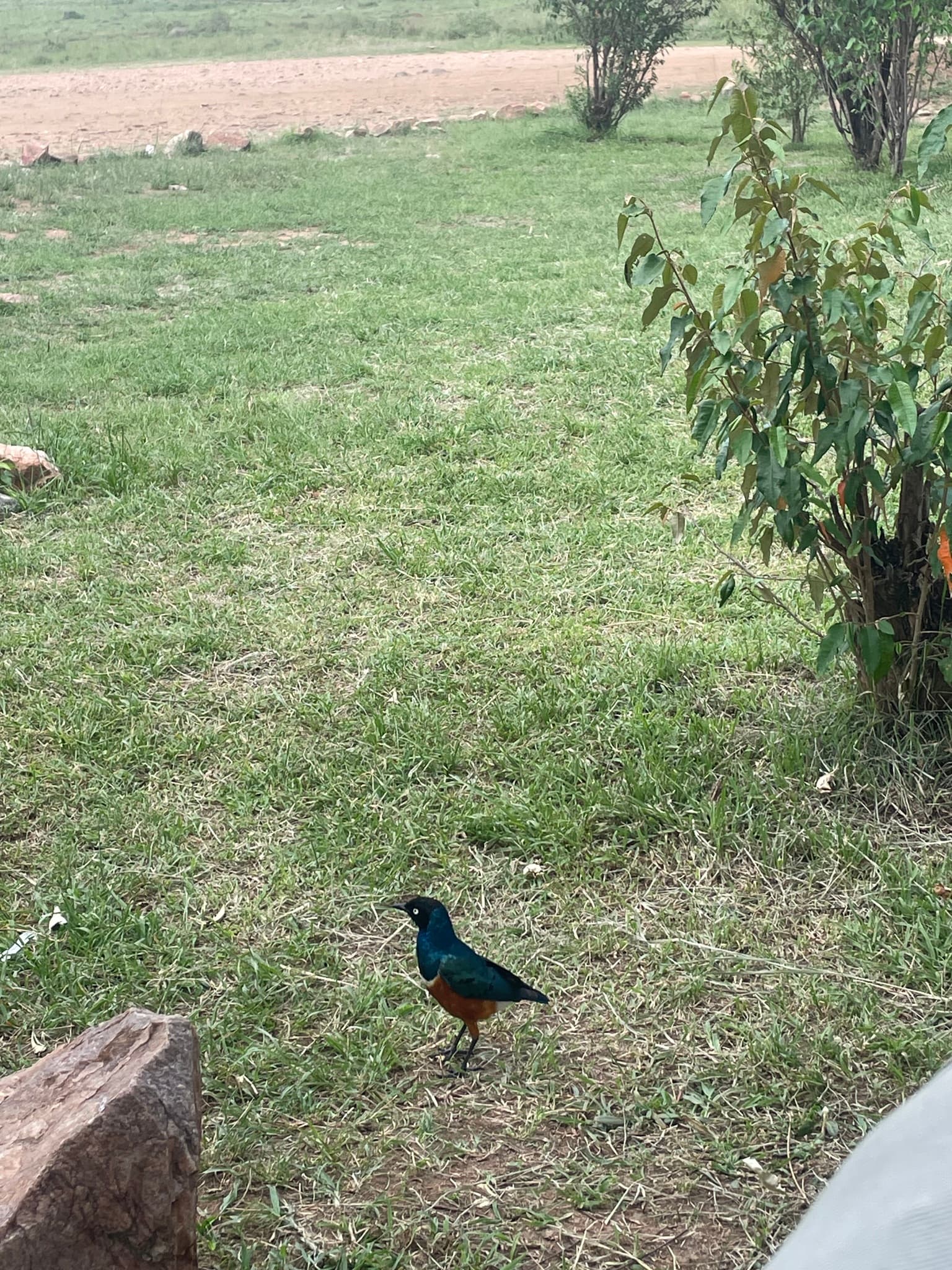
Image: <a rel="nofollow" class="external text" href="https://www.flickr.com/photos/silentkids/">The Lilac Breasted Roller</a> (CC BY 2.0)
NameOilbird
Common NameOilbird
Scientific NameSteatornis caripensis
FamilySteatornithidae
Wingspan (cm)91
Length (cm)44.5
Weight (g)412.5
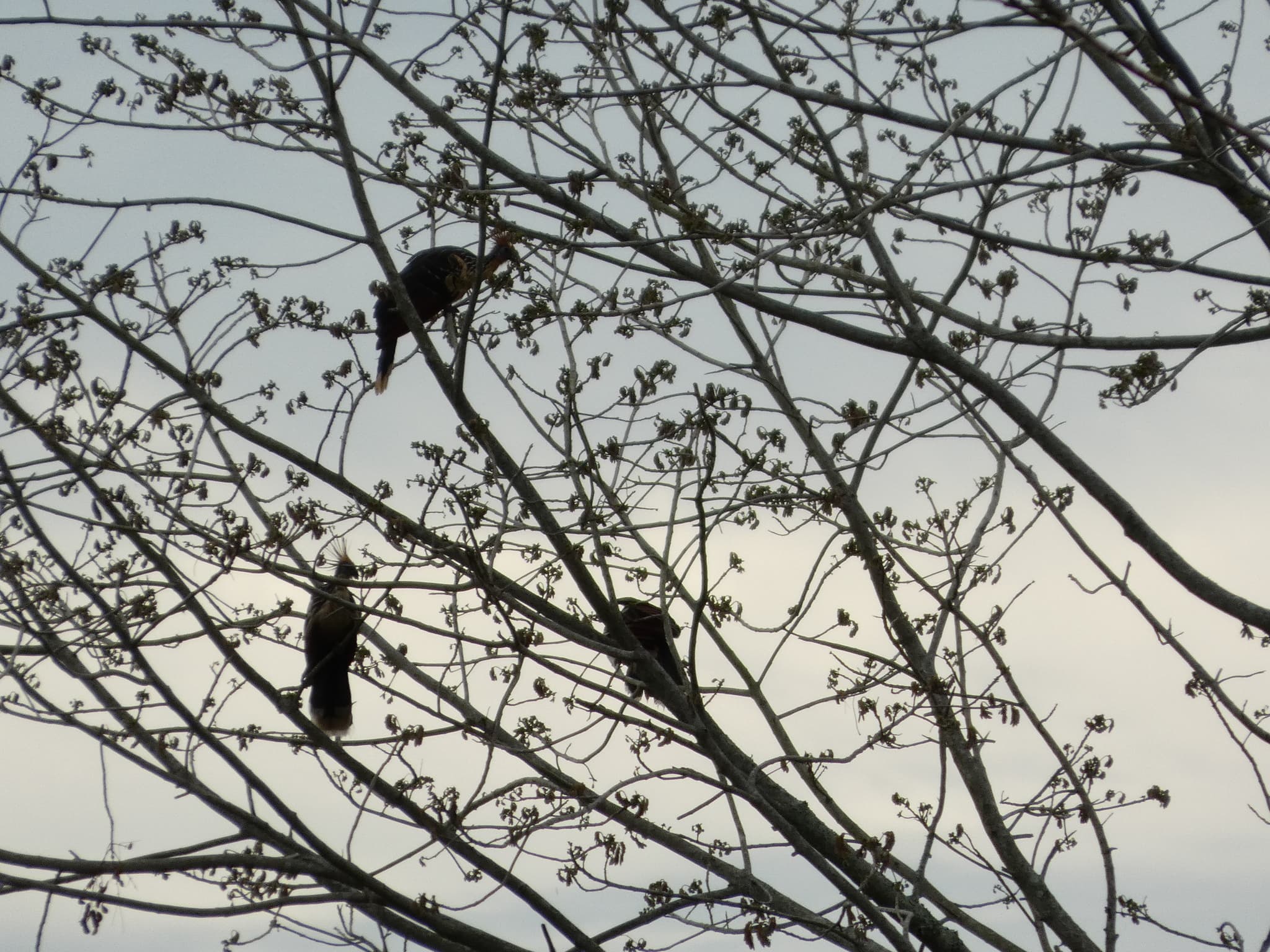
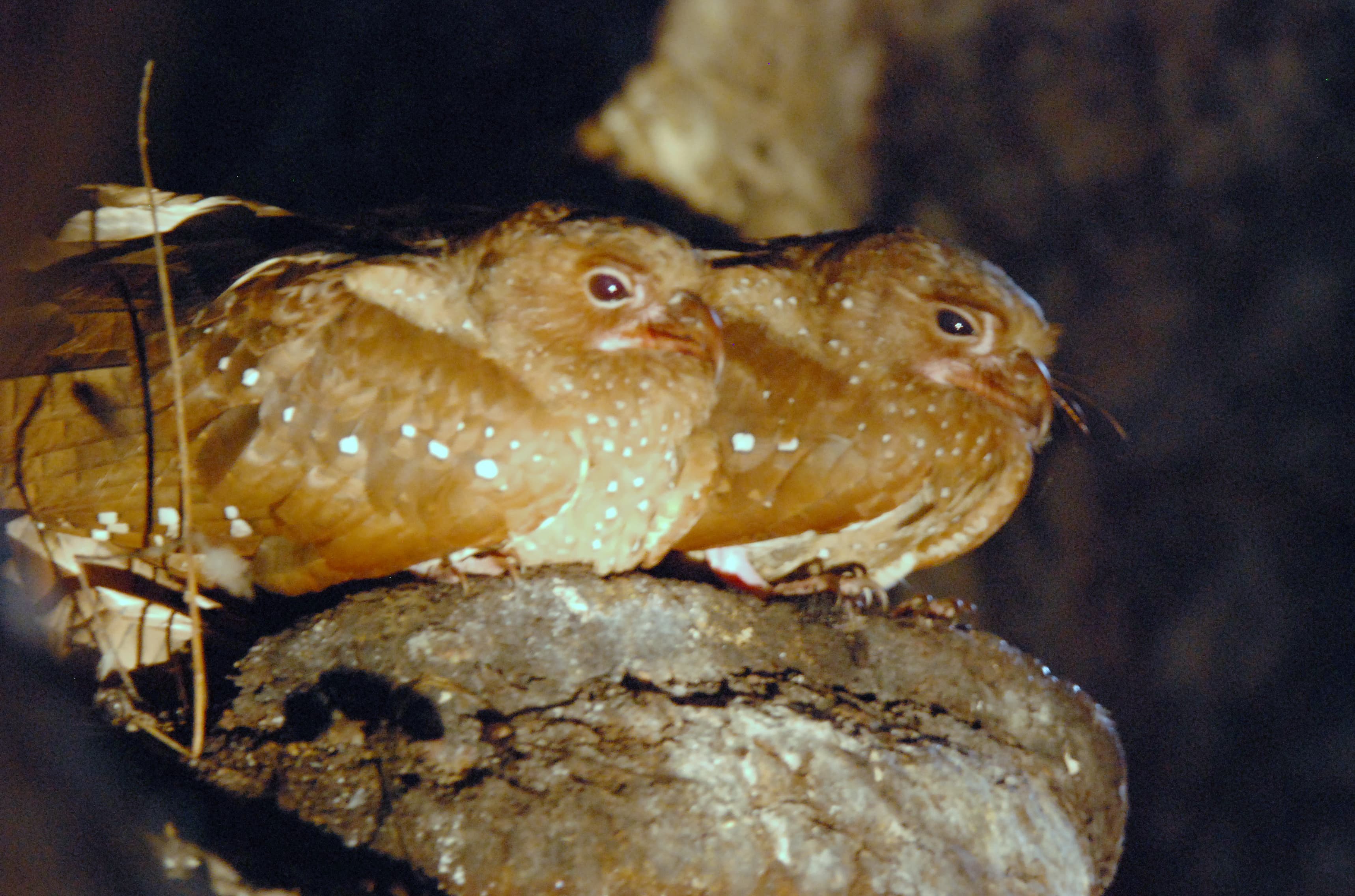
Plumage DetailsThe plumage is predominantly reddish-brown, heavily spotted with white on the head, neck, and wings. The underparts are paler, often buffy with dark barring.
Vocalization / CallOilbirds produce a variety of loud, guttural screeches, squawks, and clicks. The clicks are used for echolocation to navigate in dark caves.
Primary Dietfrugivore
Primary Habitatscaves, tropical forests
Conservation Statusleast-concern
Geographic RangeFound in northern South America, including parts of Colombia, Venezuela, Ecuador, Peru, Bolivia, Brazil, and also on the island of Trinidad. They inhabit mountainous regions with suitable cave systems.
Identifying Featureslarge forward-facing eyes, hooked bill, long rictal bristles, reddish-brown plumage with white spots, nocturnal, cave-dwelling, echolocation ability, frugivorous diet
Description
The Oilbird is a unique nocturnal bird, primarily found in caves. It has a robust body, large eyes adapted for low light, and a specialized diet of fruit. These birds are known for their echolocation abilities, allowing them to navigate dark cave environments.