Masked Bunting
NameMasked Bunting
Common NameMasked Bunting
Scientific NameEmberiza spodocephala
FamilyEmberizidae
Wingspan (cm)22
Length (cm)15
Weight (g)20
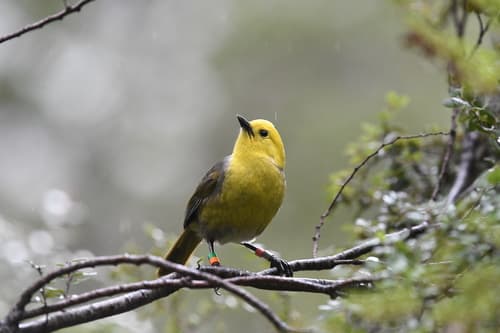
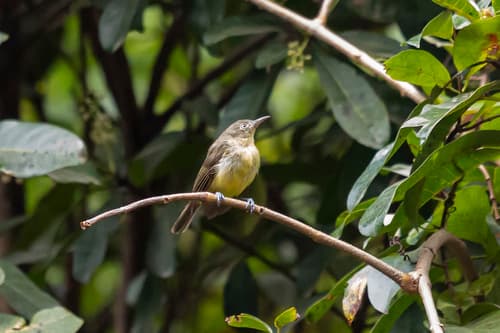
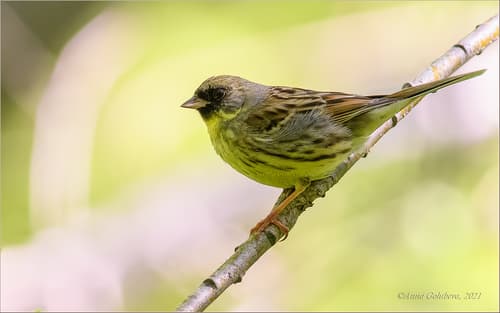
Plumage DetailsMales in breeding plumage have a dark olive-grey head and face, bright yellow throat and underparts with streaked flanks, and an olive-brown streaked back. Females and non-breeding males are duller, with a less distinct dark mask, more streaking on the head and breast, and a yellowish wash on the underparts.
Vocalization / CallThe song is a rapid, jumbled series of notes, often described as 'tsi-tsi-tsi-tsu-tsu-tsu'. Calls include a sharp 'tzip' or 'zit'.
Primary Dietomnivore
Primary Habitatsforest, wetland, grassland
Conservation Statusleast-concern
Geographic RangeBreeds across eastern Asia, including Siberia, Mongolia, China, Korea, and Japan. Winters in southern China, Southeast Asia, and parts of India.
Identifying FeaturesDark olive-grey head/mask (more pronounced in males), Yellowish underparts with streaked flanks, Olive-brown streaked back, Small, conical bill, Often found in dense riparian vegetation
Description
The Masked Bunting is a medium-sized bunting, often found in dense vegetation near water. Males in breeding plumage exhibit a distinctive dark olive-grey head and bright yellow underparts, while females and non-breeding males are duller with more streaking.