Magnificent Frigatebird
Image: ahope (cc-by-nc)
NameMagnificent Frigatebird
Common NameMagnificent Frigatebird
Scientific NameFregata magnificens
FamilyFregatidae
Wingspan (cm)230
Length (cm)100
Weight (g)1350
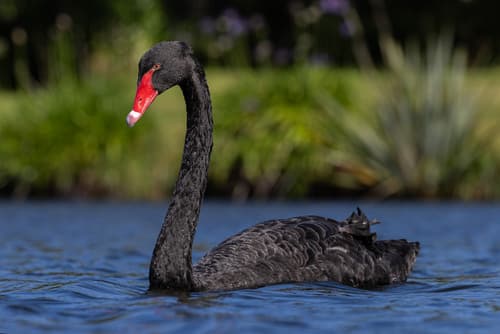
Plumage DetailsAdult males are entirely iridescent black with a large, inflatable red gular pouch on the throat, prominently displayed during breeding. Adult females are black with a white chest and flanks, and a variable amount of white on the belly. Juveniles have a white head and underparts.
Vocalization / CallGenerally silent away from breeding colonies. At colonies, they produce various clattering, drumming, and whistling sounds, particularly during courtship displays and territorial interactions.
Primary Dietpiscivore
Primary Habitatscoastal
Conservation Statusleast-concern
Geographic RangeFound in the tropical Atlantic, including the Caribbean, Florida, Gulf of Mexico, and the coasts of Central and South America. Also present on the Pacific coast of Mexico and Central America, and the Galápagos Islands.
Identifying FeaturesVery long, narrow, pointed wings, Deeply forked tail (often held closed, appearing pointed), Exceptional soaring ability, Males have an inflatable red gular pouch, Distinctive silhouette in flight
Description
The Magnificent Frigatebird is a large seabird known for its exceptional aerial prowess and long, pointed wings. Males are entirely black with a striking red gular pouch inflated during courtship, while females have a white chest and flanks. They spend most of their lives soaring over tropical and subtropical oceans, rarely landing on water.