Indigo Bunting
NameIndigo Bunting
Common NameIndigo Bunting
Scientific NamePasserina cyanea
FamilyCardinalidae
Wingspan (cm)20.5
Length (cm)13.25
Weight (g)15
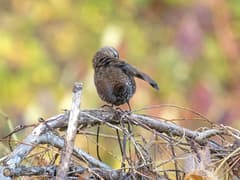
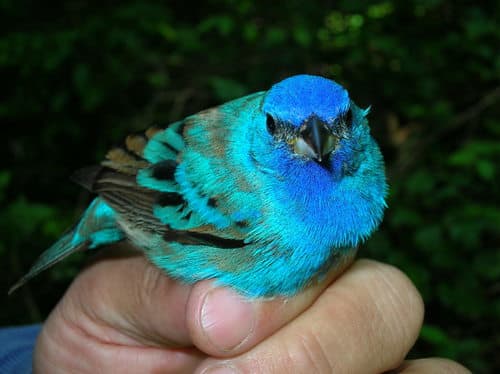
Plumage DetailsBreeding males are entirely brilliant indigo blue, appearing almost black in poor light, with darker wings and tail. The blue coloration is structural, varying with light intensity. Females are plain brown with faint streaking on the underparts and may show a bluish tinge on the rump or tail. Non-breeding males are mottled blue and brown.
Vocalization / CallThe song is a high-pitched, rapid, and often double-noted series of phrases, typically described as 'sweet-sweet, chew-chew, sweet-sweet, where-where, here-here'. Calls include a sharp 'spik' or 'chip' note.
Primary Dietomnivore
Primary Habitatsopen woodlands, forest edges, brushy fields, overgrown clearings, roadsides, suburban gardens
Conservation Statusleast-concern
Geographic RangeBreeds across eastern North America, from southern Canada south to Florida and the Gulf Coast, and west to the Great Plains. Winters in southern Florida, Mexico, Central America, and the Caribbean.
Identifying FeaturesBrilliant indigo blue plumage of breeding males, Small size with a conical, bicolored bill (dark upper, pale lower mandible), Distinctive high-pitched, warbling song, Plain brown plumage with faint streaking for females
Description
The Indigo Bunting is a small, finch-like songbird known for the brilliant indigo blue plumage of the breeding male. Females are a duller brown, often with faint streaking. These birds are typically found in brushy areas and forest edges, where males sing their distinctive, high-pitched songs.