Grey Bunting
NameGrey Bunting
Common NameGrey Bunting
Scientific NameEmberiza variabilis
FamilyEmberizidae
Wingspan (cm)24
Length (cm)15
Weight (g)21.5
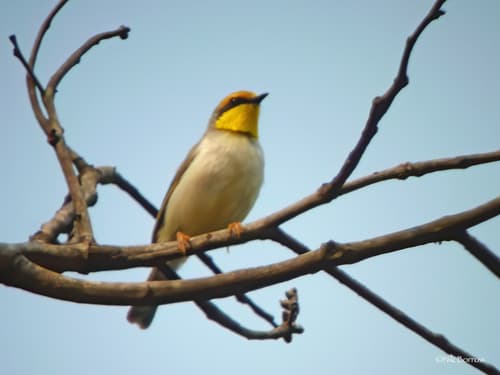
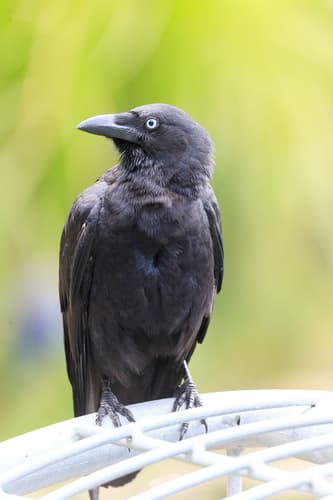
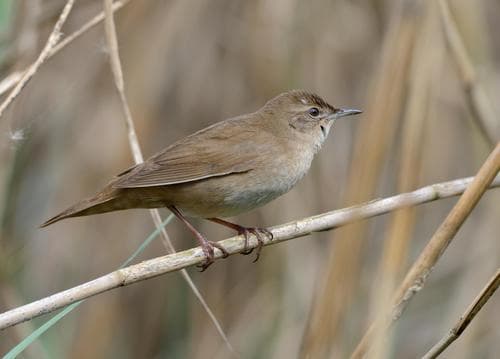
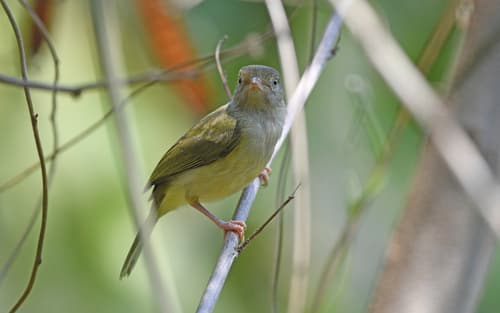
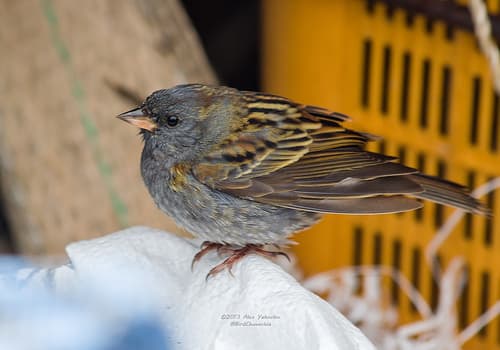
Plumage DetailsAdult males have a uniform dark slate-grey head, breast, and upperparts, contrasting with a white belly and undertail coverts. Females and immatures, like the bird pictured, have a dull greyish-brown head with faint streaking, an olive-brown back heavily streaked with black, yellowish-buff wing bars, and greyish-white underparts with some streaking on the flanks. The bill is typically pinkish.
Vocalization / CallThe song is a series of clear, somewhat melancholy notes, often described as 'tsee-tsee-tsee-tsu-tsu'. Calls include a sharp 'chip' or 'tsik'.
Primary Dietomnivore
Primary Habitatsforest
Conservation Statusleast-concern
Geographic RangeBreeds in northern Japan (Hokkaido, Honshu) and Sakhalin Island. Winters in southern Japan, Korea, and eastern China.
Identifying FeaturesMales: uniform dark grey plumage with white belly, Females/Immatures: streaked olive-brown back, dull greyish head, pinkish bill, Shy, skulking behavior in dense vegetation, Prefers dense undergrowth and forest edges
Description
The Grey Bunting is a medium-sized bunting known for its shy, skulking behavior in dense undergrowth. Males are largely dark grey, while females and immatures exhibit browner, streaked plumage.