Cinereous Conebill
NameCinereous Conebill
Common NameCinereous Conebill
Scientific NameConirostrum cinereum
FamilyThraupidae
Wingspan (cm)17
Length (cm)11
Weight (g)10
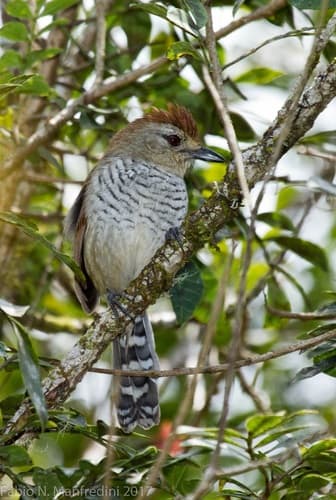
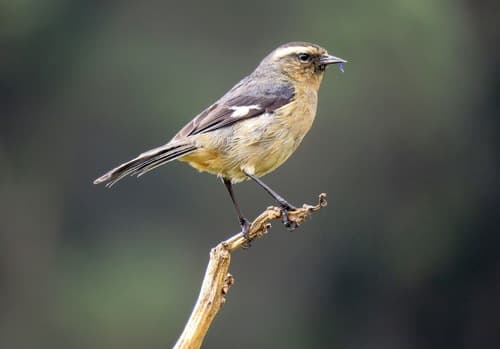
Plumage DetailsUpperparts are dull greyish-brown, contrasting with paler, buffy-grey to yellowish-buff underparts. A prominent pale whitish to buffy supercilium (eyebrow stripe) is present above a darker eye-line. The wings are dusky with some pale edging to the flight feathers and often subtle pale wing-bars. The bill is dark and conical.
Vocalization / CallVocalizations include high-pitched, thin 'tseet' or 'tsip' calls, sometimes given in a rapid series. It also produces a soft, warbling song.
Primary Dietinsectivore
Primary Habitatsforest, urban, mountain
Conservation Statusleast-concern
Geographic RangeFound in the Andes mountains of South America, ranging from southern Colombia through Ecuador and Peru, extending south to northern Chile and northwestern Argentina.
Identifying FeaturesSmall size (approx. 11 cm), Dull greyish-brown upperparts with paler underparts, Prominent pale supercilium, Dark, conical, pointed bill, Active foraging behavior in foliage
Description
The Cinereous Conebill is a small, active passerine characterized by its dull greyish-brown plumage and a distinctive pale supercilium. It possesses a short, pointed, conical bill, which it uses to forage for insects and nectar in trees and shrubs. This species is often found in open woodlands and shrubby areas of the Andes.