Cinereous Becard
NameCinereous Becard
Common NameCinereous Becard
Scientific NamePachyramphus cinereus
FamilyTityridae
Wingspan (cm)20
Length (cm)14.5
Weight (g)20
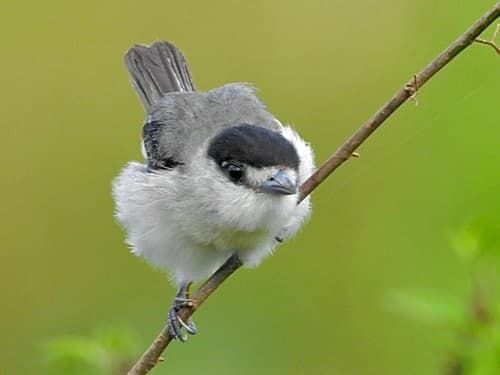
Plumage DetailsMales have a glossy black cap extending to the eye, contrasting with a pale grey back and wings. Their underparts are white to pale grey, sometimes with a faint yellowish wash. Females are duller, exhibiting a greyish-brown crown, olive-brown back, and rufous-tinged underparts. Both sexes possess a relatively short, slightly hooked bill.
Vocalization / CallVocalizations include a series of high-pitched, whistled notes, often described as 'swee-swee-swee' or 'tsee-tsee-tsee,' which can accelerate into a trill. They also produce various chattering or buzzing calls.
Primary Dietinsectivore
Primary Habitatsforest
Conservation Statusleast-concern
Geographic RangeFound in Central and South America, ranging from southern Mexico south through Central America to northern South America, including parts of Colombia, Venezuela, Ecuador, Peru, Bolivia, and Brazil.
Identifying Featuresblack cap (male), grey back, white underparts (male), rufous underparts (female), short, slightly hooked bill, forest habitat
Description
The Cinereous Becard is a medium-sized passerine known for its distinctive plumage. Males feature a striking black cap, grey back, and white underparts, while females are duller with a rufous wash. These birds typically inhabit the canopy and mid-story of humid forests, where they actively forage for insects.