Chestnut-belted Gnateater
NameChestnut-belted Gnateater
Common NameChestnut-belted Gnateater
Scientific NameConopophaga aurita
FamilyConopophagidae
Wingspan (cm)20
Length (cm)13
Weight (g)24
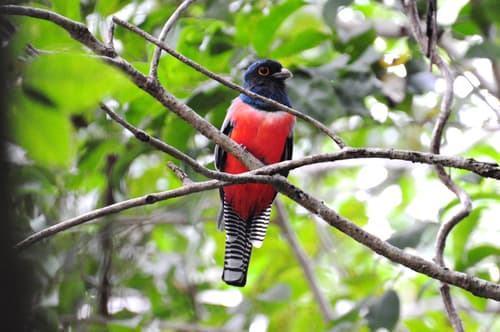
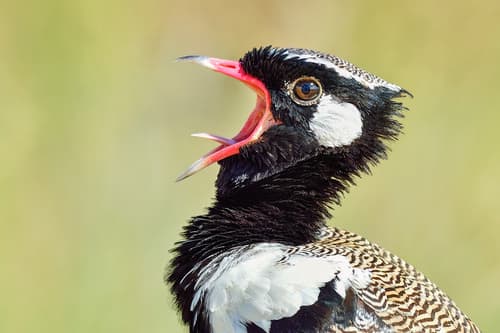
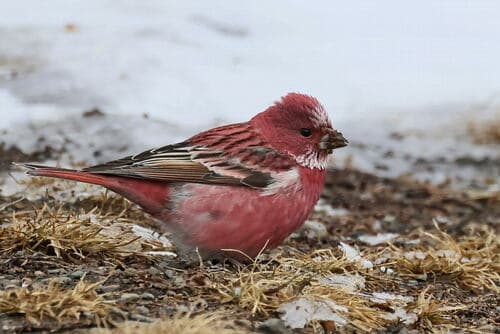
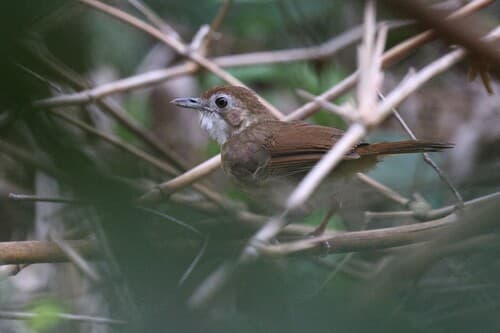
Plumage DetailsMales have a glossy black head, throat, and upper breast, sharply contrasted by a prominent white post-ocular stripe extending from behind the eye. The back and wings are a rich chestnut-brown. The lower breast and belly are bright rufous-orange, fading to a paler belly. Females are duller, with a rufous head and throat, and a less distinct white stripe.
Vocalization / CallIts vocalizations typically consist of a distinctive, often repeated, high-pitched whistle or series of whistles, sometimes described as a 'peep' or 'tseet' followed by a trill.
Primary Dietinsectivore
Primary Habitatsforest
Conservation Statusleast-concern
Geographic RangeFound in the Amazon basin of South America, specifically in parts of Brazil, Colombia, Ecuador, Peru, and Bolivia.
Identifying FeaturesSmall, plump body with short tail, Male's glossy black head and throat with prominent white post-ocular stripe, Chestnut-brown back and rufous-orange underparts, Terrestrial foraging behavior in forest understory
Description
The Chestnut-belted Gnateater is a small, plump, terrestrial bird known for its striking plumage and short tail. It typically forages on or near the forest floor, often flicking its wings and tail while searching for insects. This species is generally shy and can be difficult to observe in its dense forest habitat.